
SPEAKERS
SPEAKERS
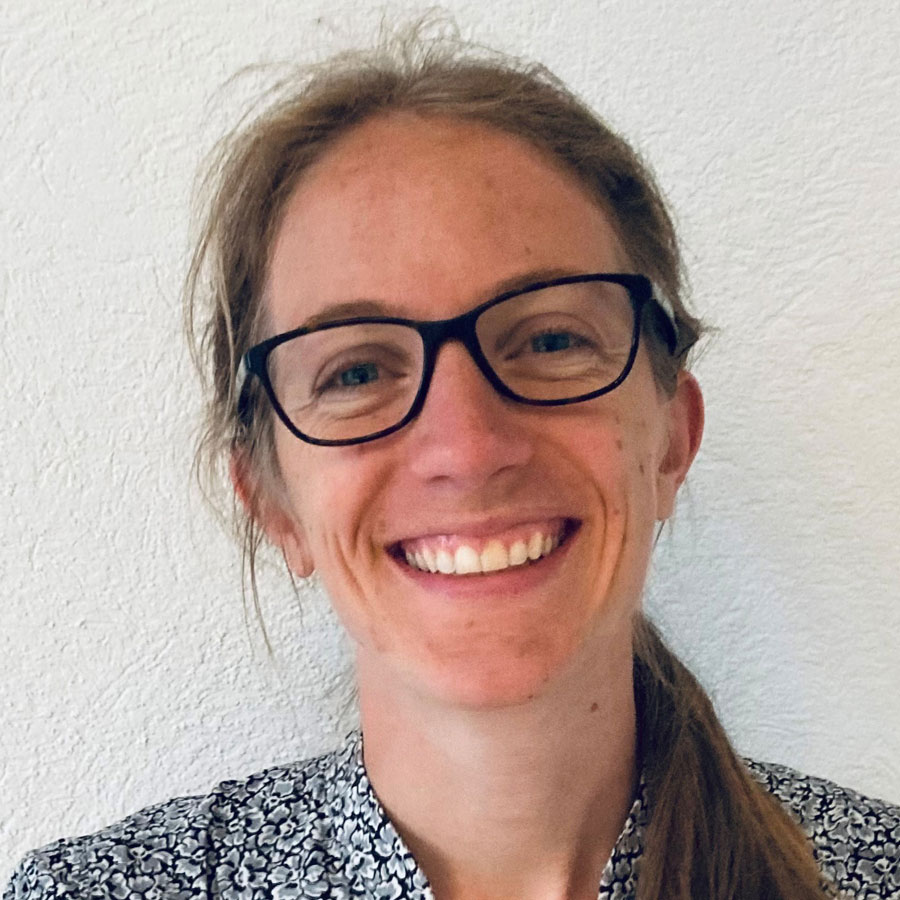
Kathryn Burton-Pimentel
Dr Kathryn Burton-Pimentel is a researcher and registered dietitian specializing in nutrition, metabolomics, fermented foods and human health. Based at Agroscope, the Swiss federal institute for agricultural sciences, her work explores the interplay between diet, the gut microbiome, and metabolic health, with a particular focus in fermented dairy foods. Following completion of her PhD at University of Lausanne (2017), she has developed her research on how dietary patterns shape microbial composition and influence health outcomes, employing various nutrigenomic and bioinformatic tools. A key theme of her research is biomarkers of dietary intake. She contributed to the European Food Biomarkers Alliance (FoodBAll), notably dairy intake biomarkers, and subsequently investigated candidate biomarkers of fermented foods using both controlled interventional studies and observational cohorts. In collaboration with ETHZ, she co-leads the Lactobreath project that uses multi-omic methods to lactose intolerance, advancing non-invasive breath metabolomics for assessing digestive responses and precision nutrition strategies.
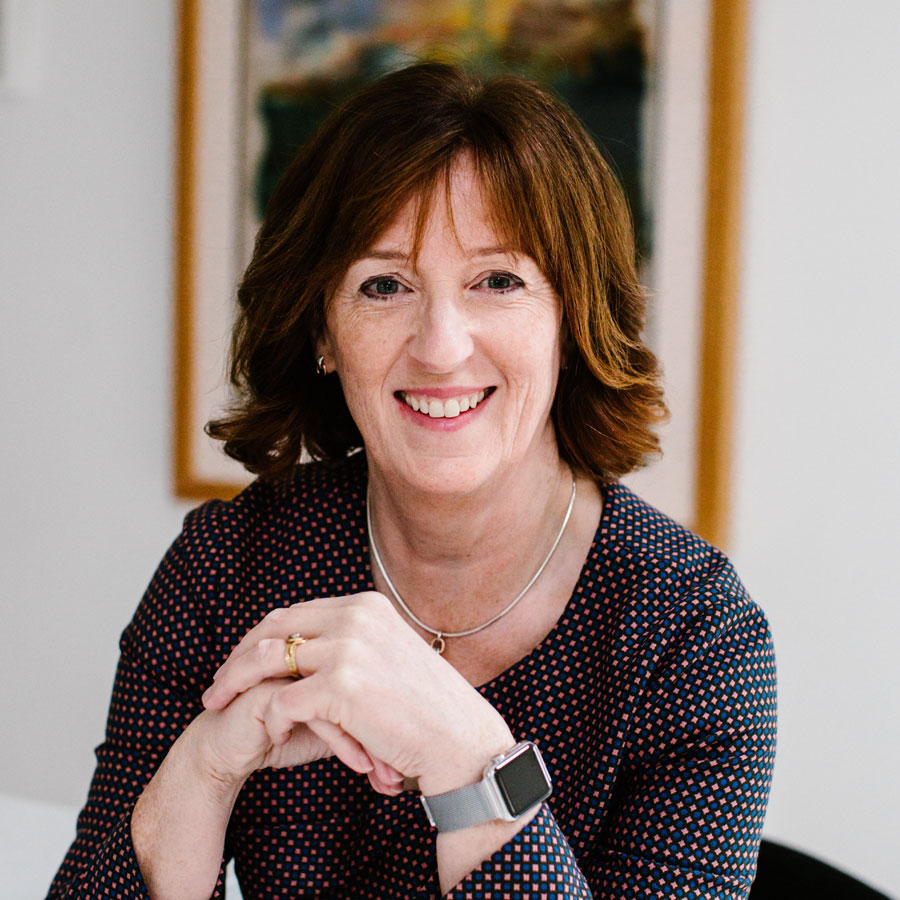
Aedín Cassidy
Aedín Cassidy is Chair in Nutrition & Preventive Medicine and Director for Interdisciplinary Research at the Institute for Global Food Security, Queen’s University Belfast. She is one of the Co-Directors of the £32M Co-Centre for Sustainable Food Systems which integrates interdisciplinary research to drive the transition to healthy plant-rich diets from sustainable sources. Her research, from mechanistic insights to public health focuses on polyphenols and flavonoids in relation to cardiometabolic health.
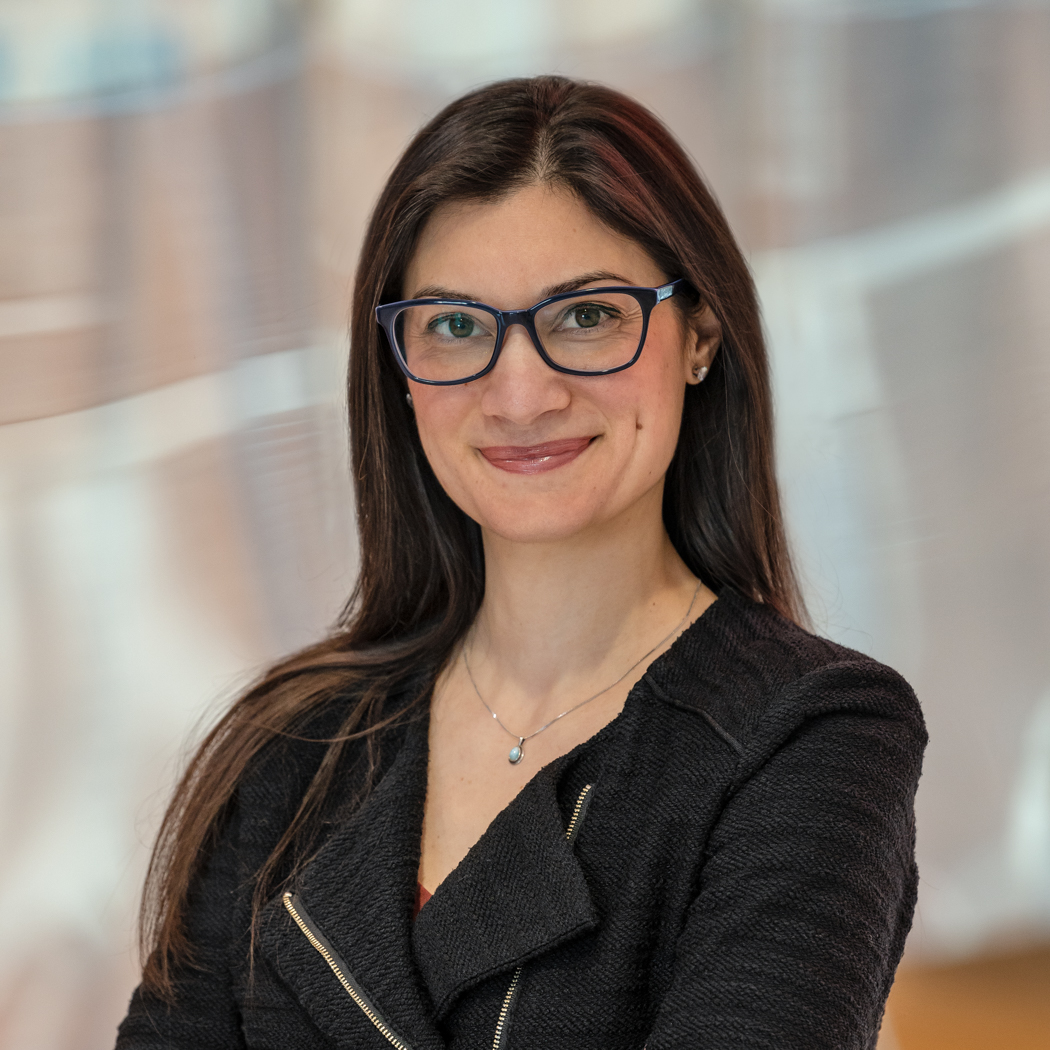
Laura Chiavaroli
Dr. Laura Chiavaroli is an Assistant Professor in the Department of Nutritional Sciences, Temerty Faculty of Medicine, University of Toronto and Affiliate Scientist at the Li Ka Shing Knowledge Institute, St. Michael’s Hospital. Her research program addresses the important implementation gap between guidelines-based nutrition therapy for cardiometabolic diseases and effective strategies to mobilize them, while also addressing the equity gap. She leads large interdisciplinary teams in the co-design and testing of innovative implementation strategies leveraging the use of digital tools and randomized trials to drive effective policies and programs related to dietary patterns for cardiometabolic disease. She is directly involved in guidelines development as co-chair of the Nutrition Chapter for Diabetes Canada, co-chair and methodologist for the update of the DNSG guidelines and a member of the EASD guideline on Prevention of Type 2 Diabetes. She has authored over 100 publications and received numerous awards, including the 2026 CIHR-INMD/CNS Early Career Researcher Partnership Award.

Charilaos Dimosthenopoulos
Dr Charilaos Dimosthenopoulos received his PhD from the Medical School of the Kapodistrian University, Athens on “ The effect of three different types of nutrition on the glycemic regulation of patients with type 1 diabetes under intensive insulin therapy and monitoring with a continuous glucose monitoring device (CGM)”.He holds a Bachelor degree on Biology from the School of Biology of the Aristotle University of Thessaloniki, a Postgraduate Diploma (PostDip in Dietetics) in Dietetics from Leeds Metropolitan University and a Master of Medicine and Science in Human Nutrition (MMedSci) from Sheffield University, UK. He holds a HACCP Inspector Certificate from the Agricultural University and TUV AUSTRIA. He works as Chief Dietitian of the Department of Clinical Nutrition, at the General hospital of Athens “Laiko. He is a Vice President of the Board of the Society for the Study of Risk Factors for Vascular Diseases (EMPAKAN). He is also Communications Officer of the Board of the Diabetes and Nutrition Study Group (DNSG) and IDF Europe board member. He is teaching in six different postgraduate programs of the Kapodistrian University, the University of West Attica, Athens and Aristotle University of Thessaloniki.
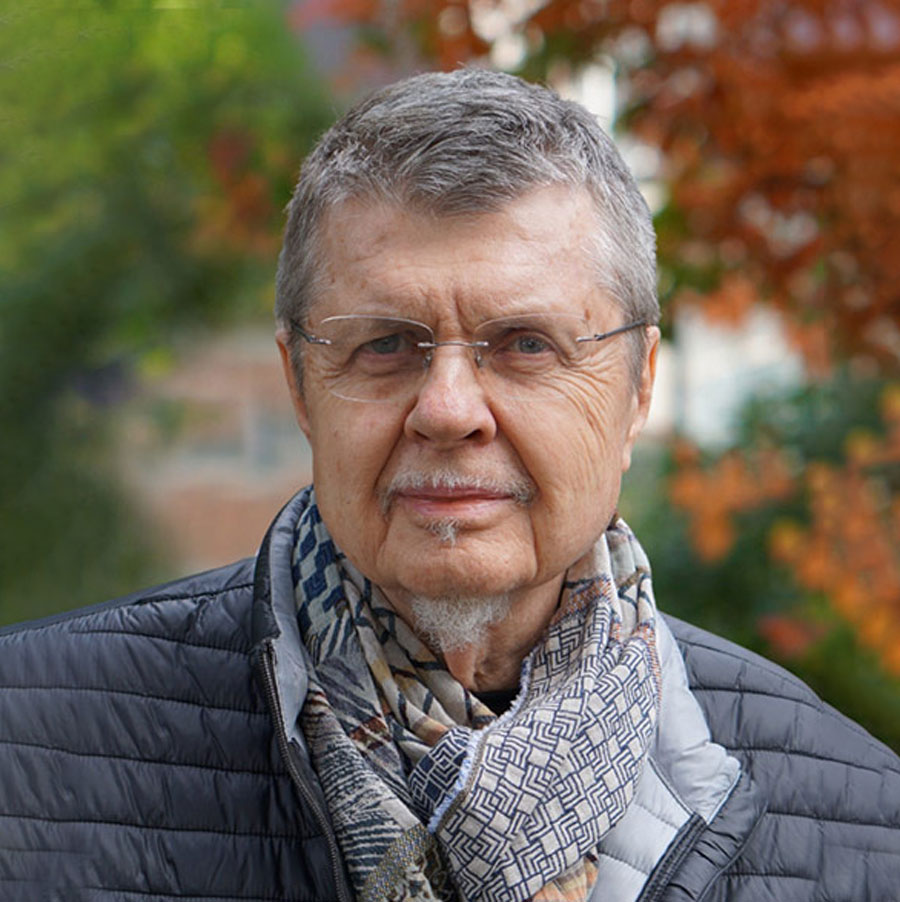
Adam Drewnowski
Adam Drewnowski is Professor of Epidemiology and the Director of the Center for Public Health Nutrition at the University of Washington in Seattle. He obtained an MA degree in biochemistry from Balliol College, Oxford University in the UK and PhD degree in psychology from The Rockefeller University in New York. Dr. Drewnowski is the author of the Nutrient Rich Food Index, a well-known nutrient profiling model to assess the healthfulness of foods. He has published on food prices, diet costs, and affordable nutrient density in relation to health equity and social disparities. His Seattle Obesity Study, merging survey research with novel methods of spatial analysis, received long-term funding from the National Institutes of Health. Dr. Drewnowski has published more than 400 research articles, and advises foundations, governments, non-profits, and the private sector on nutrient profiling and obesity-related issues. Dr. Drewnowski is a Fellow of the American Society for Nutrition and a member of the Académie d’Agriculture de France. He gave the 2024 Atwater Memorial lecture and received an honorary doctorate from McGill University Faculty of Agricultural and Environmental Sciences in 2025.
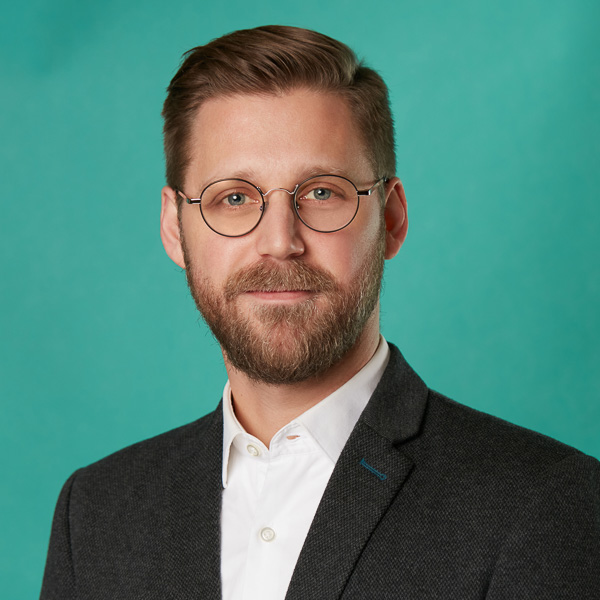
Jean-Philippe Drouin-Chartier
Jean-Philippe Drouin-Chartier, RD PhD, is an Associate Professor in the Faculty of Pharmacy at Université Laval and a researcher at the NUTRISS-INAF Research Centre (Québec, Canada). His research focuses on cardiometabolic disease prevention and management, with a particular interest in how diet quality and medication use interact, and how medication use influence dietary behaviors. Over the past years, he has developed a research program combining nutritional epidemiology, clinical nutrition, pharmacotherapy, and cardiometabolic health.
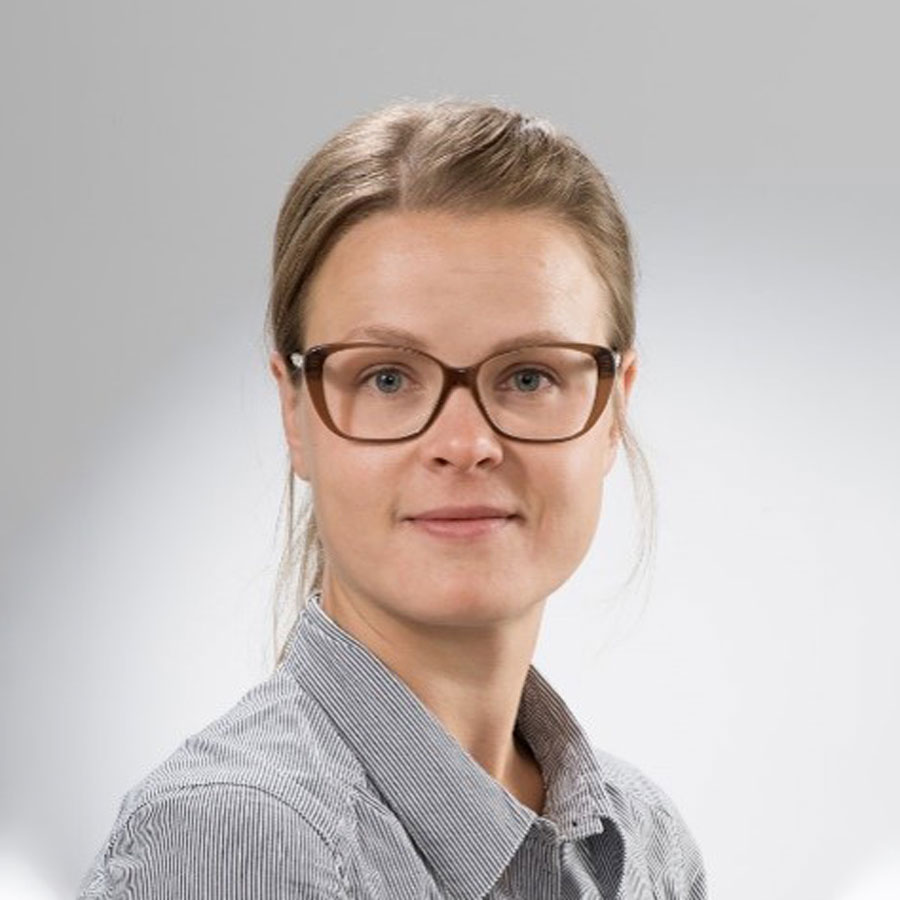
Aino-Maija Eloranta
Dr. Aino-Maija Eloranta is a registered clinical nutritionist at Kuopio University Hospital and a clinical lecturer and Docent in nutrition at the University of Eastern Finland. Her doctoral dissertation focused on diet and its associations with cardiometabolic health in children. Since completing her PhD, her research has broadly explored the relationships between diet, lifestyle, and health among children and adolescents, including the effects of lifestyle interventions on health and well-being. Her research primarily utilizes long-term intervention and follow-up data from the Physical Activity and Nutrition in Children (PANIC) Study.
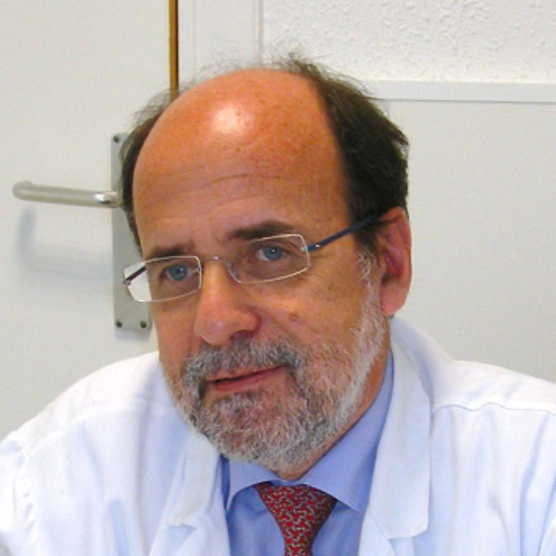
Ramon Estruch
Professor Ramon Estruch is Full Professor of Medicine at the University of Barcelona, Senior Consultant of the Internal Medicine Department of the Hospital Clinic of Barcelona, Director of the Research Group on Nutrition, Cardiovascular Disease, and Aging of IDIBAPS (Institut d’Investigació August Pi i Sunyer) in Barcelona, Member the CIBER Pathophysiology of Obesity and Nutrition (CIBERobn) at the Instituto de Salud Carlos in Madrid, and Head of the Scientific Committee of the Mediterranean Diet Foundation at Barcelona.
Professor Estruch has served as Director of the PREDIMED trial and as a member of the Steering Committee of the Predimed-Plus trial. He has published 775 manuscripts in high-impact journals, with 83,545 citations. From 2018 to 2021, he was recognized as one of the most influential scientists in the world (“Highly Cited Researcher”, Clarivate Analytics). His «H» index is 114.
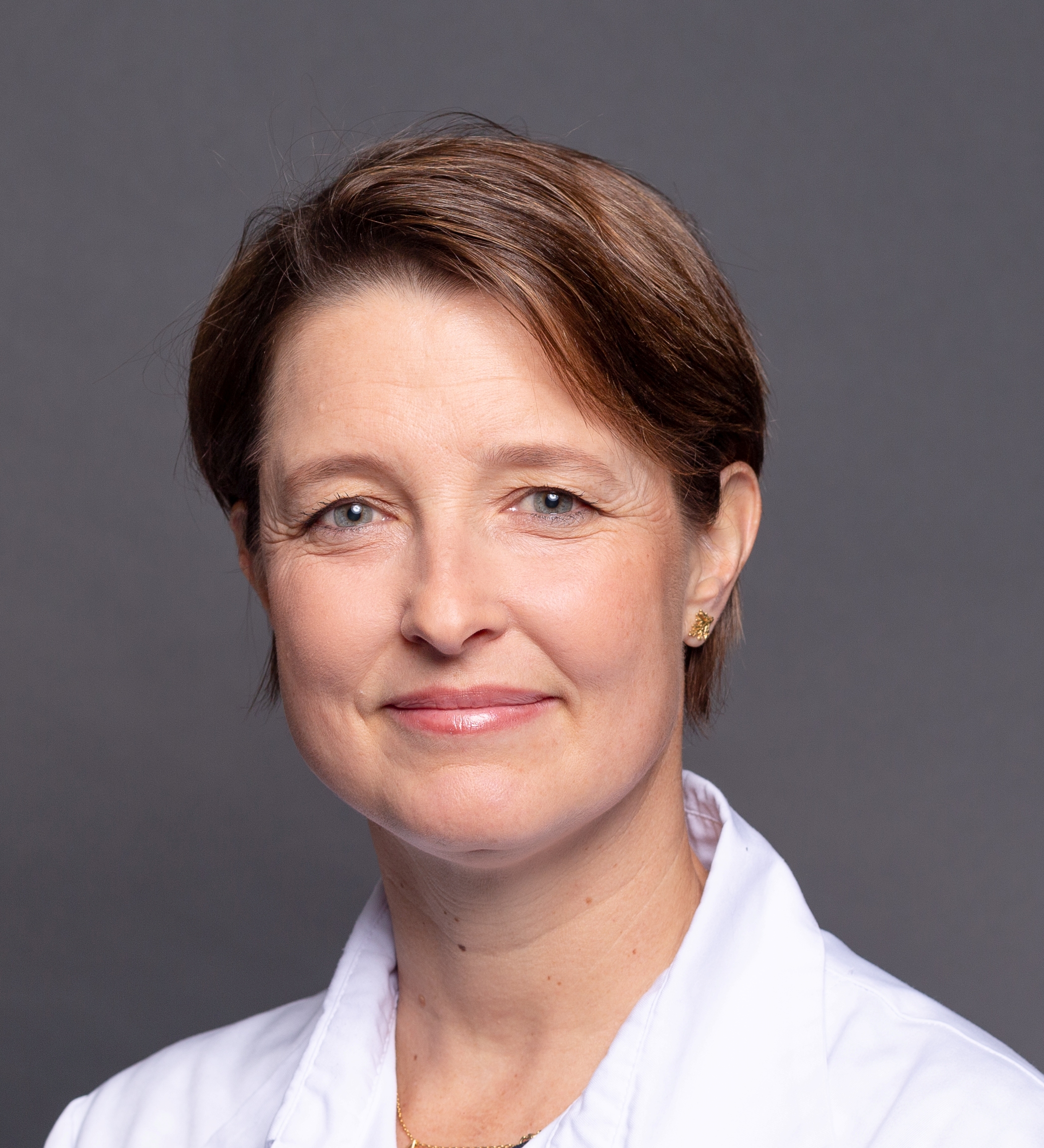
Laurence Genton Graf
Laurence Genton Graf completed her medical studies in Lausanne in 1997. After working in the University Hospital in Geneva, she performed a postdoctoral fellowship at the University of Madison (USA) and in Maastricht (NL). After returning to Geneva, she earned her board certification in internal medicine and clinical nutrition. She currently serves as head of the clinical nutrition unit.
She teaches clinical nutrition in undergraduate and graduate courses in Switzerland and through the European Society for Clinical Nutrition and Metabolism (ESPEN). She organizes numerous annual training events in Geneva. She served as president of the Swiss Society for Clinical Nutrition from 2014 to 2018, during which time she spearheaded the Swiss medical training program in clinical nutrition; she chaired the ESPEN Education Committee from 2018 to 2022 and is currently co-chair of the ESPEN Guidelines Committee. She has published over 200 articles in peer-reviewed and non-peer-reviewed journals”.
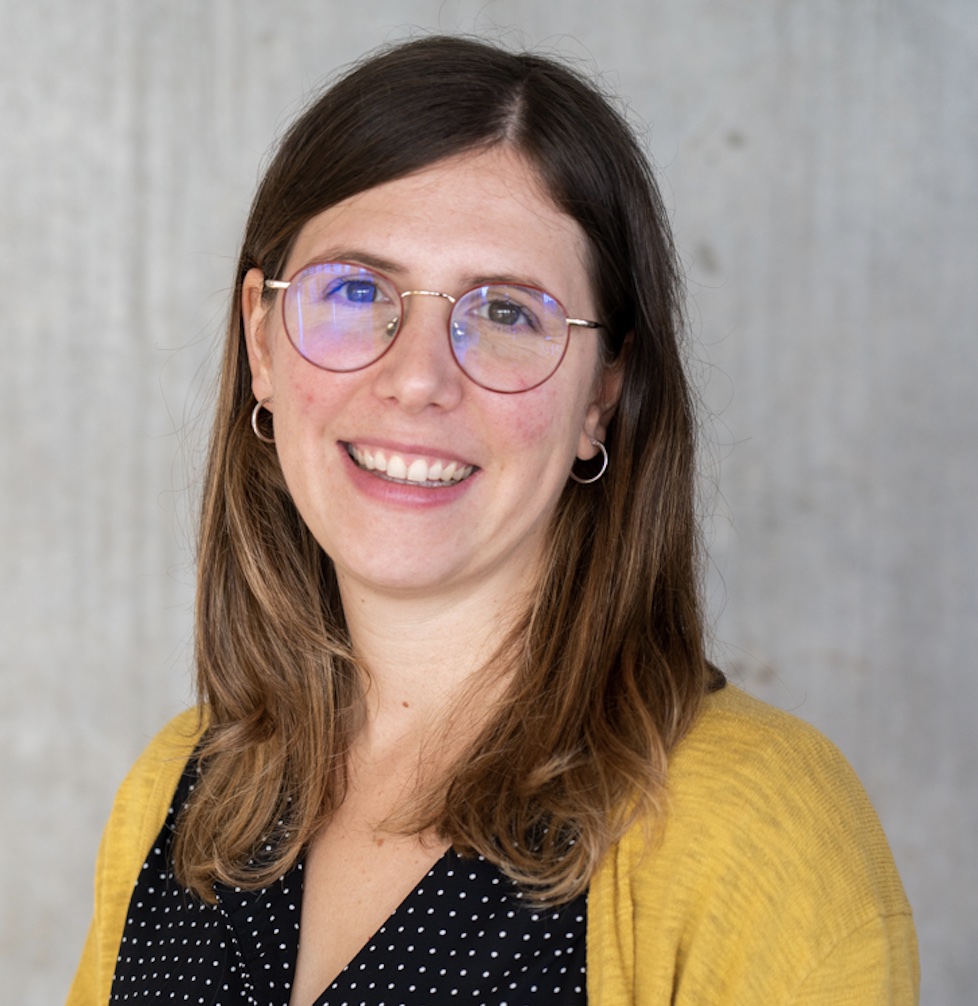
Marta Guasch-Ferré
Marta Guasch-Ferré is an Associate Professor and Group leader at the Department of Public Health and Novo Nordisk Center for Basic Metabolic Research at the University of Copenhagen, Denmark. She also holds an appointment as an Adjunct Associate Professor at the Department of Nutrition at Harvard T.H. Chan School of Public Health, U.S. Dr. Guasch-Ferré leads a research group mainly focused on integrating nutrition and lifestyle factors with –omics data, such as metabolomics and proteomics, to advance the prevention of cardiometabolic diseases. She has authored numerous publications in leading scientific journals, contributing significantly to the field of nutritional and cardiovascular epidemiology. She recently published a seminal paper titled ‘Optimal Diets for Healthy Aging’ in Nature Medicine, serving as the senior author. She is the PI of recently funded randomized controlled trial in Denmark, the PLANETDIET trial: Sustainable diets and cardiometabolic health: a multiomics
approach in an RCT.
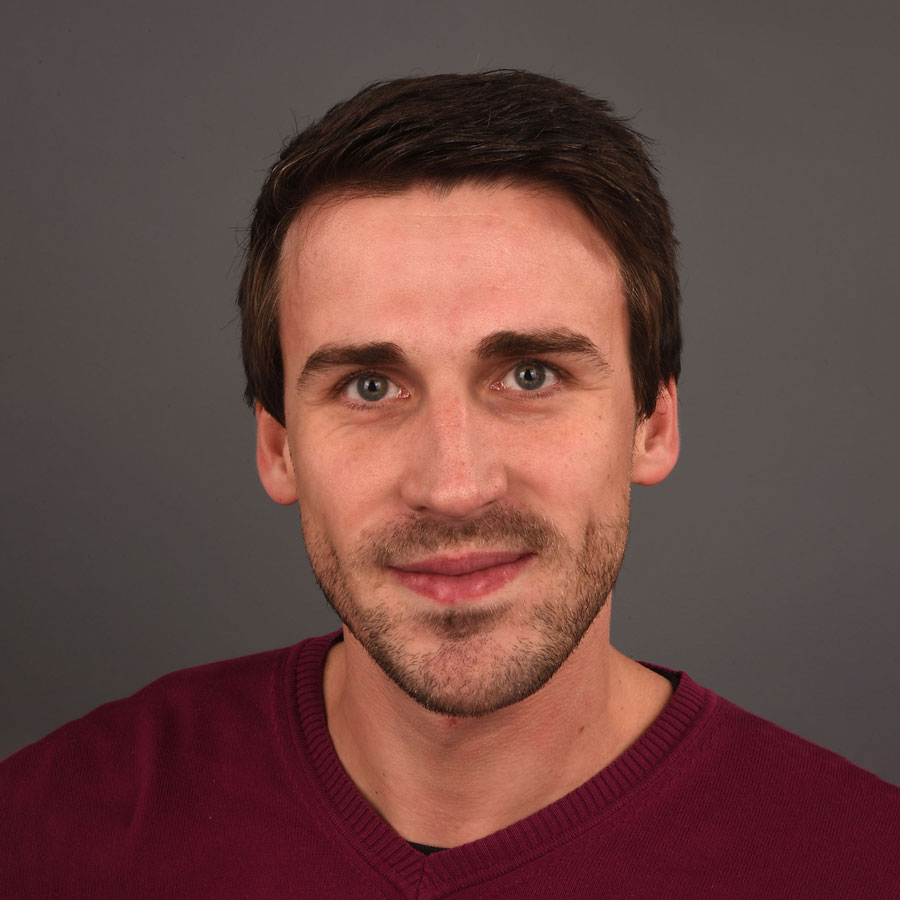
Peter Joris
Dr. Peter Joris is a member of the Physiology of Human Nutrition (PHuN) Research Group at Maastricht University in the Netherlands. He is Associate Professor within the Research Institute of Nutrition and Translational Research in Metabolism (NUTRIM). As a nutritional scientist, he is registered at the Dutch Academy of Nutritional Sciences (NAV), of which he was elected Vice-Chair from 2020-2023. He is also Vice-Chair of the Medical Ethics Committee of the University Hospital Maastricht and Maastricht University.
His research combines imaging and physiology to investigate the effects of diet on vascular function and metabolic health in the body as well as in the brain, and on cognitive/functional endpoints. For this, he applies innovative vascular imaging and MRI methods to assess brain function at rest and in response to challenges, including intranasal insulin administration (brain insulin sensitivity). He has supervised various research projects that have provided evidence that novel nutritional strategies can improve brain function, thereby contributing to the prevention of cognitive impairment and promoting healthy aging.
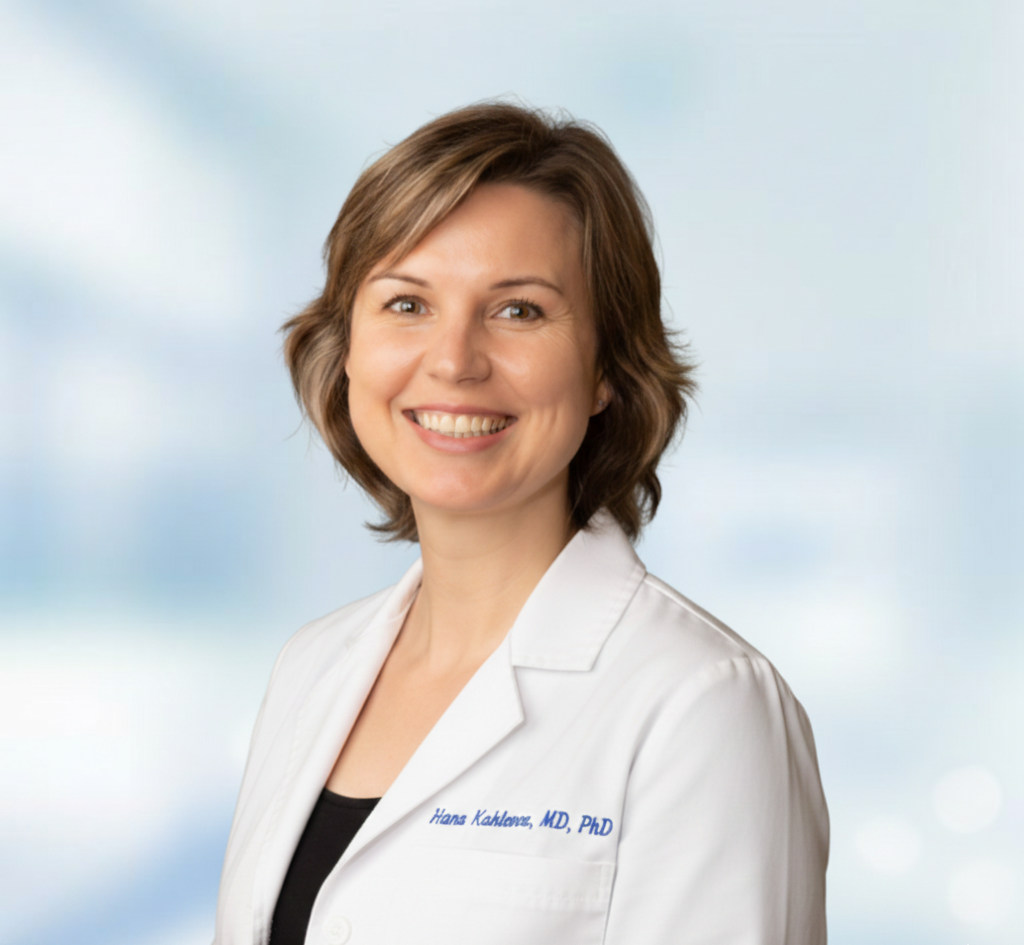
Hana Kahleova
Dr. Kahleova is a board-certified endocrinologist, with a PhD in human physiology and pathophysiology, and a board certification in lifestyle medicine. She serves as a director of clinical research at the Physicians Committee for Responsible Medicine, and her research focuses on nutrition treatment of obesity, diabetes, and metabolic disease. Dr. Kahleova has published about 100 scientific papers in peer-reviewed medical journals.
As a member of the American Diabetes Association and as a chair of the board of the Diabetes and Nutrition Study Group of the European Association for the Study of Diabetes, Dr. Kahleova is directly involved in the process of updating the nutritional recommendations for people with diabetes.
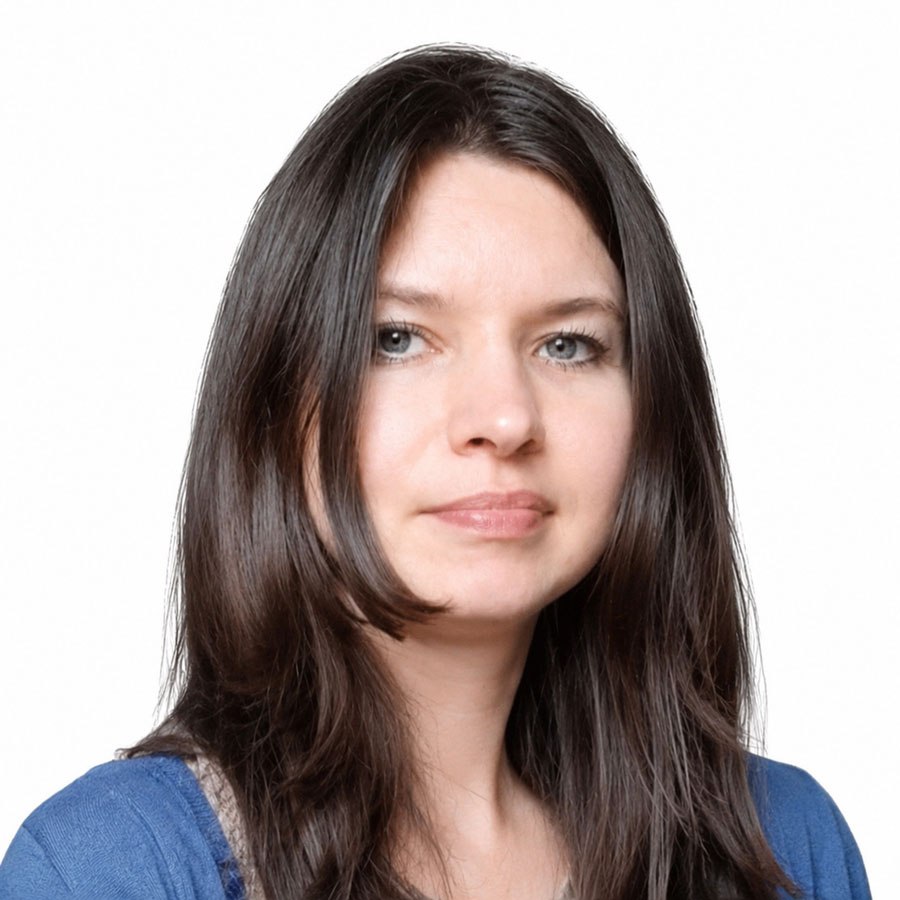
Jadwiga Konieczna
Dr. Jadwiga Konieczna is a Miguel Servet researcher at the Health Research Institute of the Balearic Islands (IdISBa) and a member of the NUTRECOR group. She holds an MSc in Food Technology and Human Nutrition and a PhD in Nutrigenomics and Personalized Nutrition. Her research focuses on nutritional epidemiology and lifestyle determinants of obesity, cardiometabolic health, and healthy ageing. She has authored over 70 peer-reviewed publications and participated in more than 20 national and international research projects. Within the PREDIMED-Plus randomized trial, she has examined lifestyle intervention, dietary patterns, and physical activity in relation to age-related chronic diseases through changes in body composition. Her work on ultra-processed foods focuses on observational evidence linking their consumption with obesity, body composition, and cardiometabolic health.
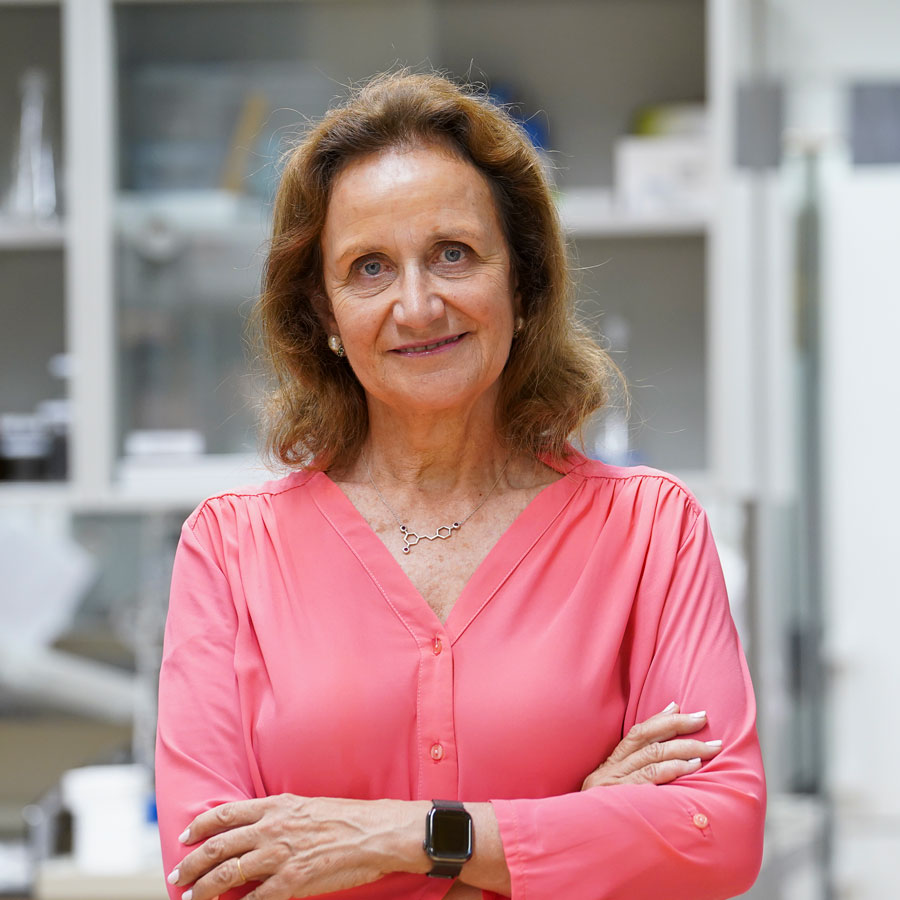
Rosa M. Lamuela Raventós
Dr. Rosa M. Lamuela‑Raventós is a Full Professor of Nutrition and Food Siences at the University of Barcelona (UB) and an ICREA Academia awardee. Recognized among the most influential scientists worldwide by Clarivate Analytics (2017–2021), she has achieved an H‑index of 107 (Scopus) and has received several distinguished awards for her scientific contributions.
Internationally renowned for her research on polyphenols and other bioactive compounds, Dr. Lamuela‑Raventós leads the Polyphenol Research Group at UB.
Her work has introduced cutting‑edge methodologies for the precise and comprehensive characterization of complex mixtures of bioactive compounds, integrating advanced omics platforms such as metabolomics and lipidomics. She has also led pioneering research exploring the effects of cooking on bioactive compunds and the effect of these molecules on cardiovascular health and the microbiota–brain axis, significantly advancing current understanding in nutrition, neuroscience, and systems biology.

Maria Lankinen
Maria Lankinen (PhD) is an authorized clinical nutritionist and a docent in nutrition, with specialization in lipid metabolism. She is a university lecturer at the Institute of Public Health and Clinical Nutrition, University of Eastern Finland. She is responsible for sports nutrition education and teaches both sports and clinical nutrition. She has over 15 years of experience in randomized controlled trials investigating the health effects of diet. Her recent research focuses on gene–diet interactions in fatty acid metabolism and the prevention of type 2 diabetes and non-alcoholic fatty liver disease. She also has experience in epidemiological studies examining associations between circulating fatty acids, metabolic processes, and chronic disease outcomes. In addition, she is involved in developing digital tools for dietary assessment based on healthy dietary indices for both consumers and healthcare professionals, and she serves on the board of DNSG.
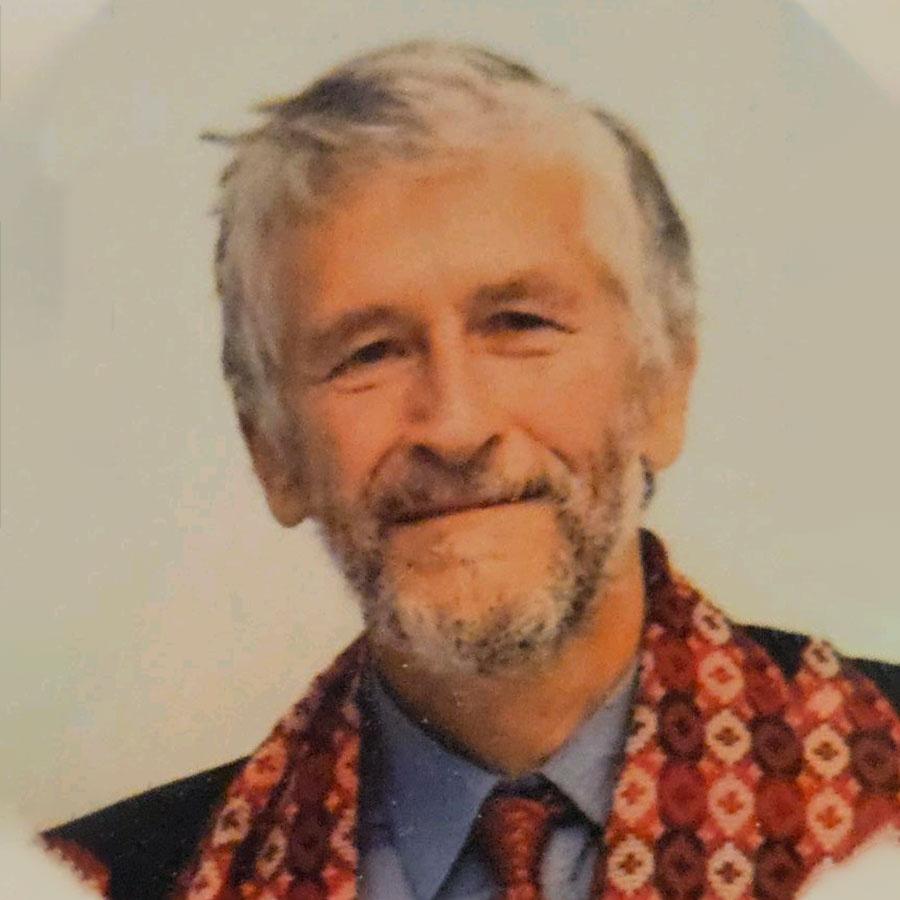
Michael Lean
Prof Lean established the Glasgow Department of Human Nutrition 1990 with a ‘broad-focus’ strategy for integrative translational research and teaching. He is GMC Specialist Registered for Human Nutrition, as well as Diabetes and Endocrinology and General/Internal Medicine. His main focusses are obesity, diabetes, cardiometabolic diseases and health promotion. PI for the DiRECT trial, and other diabetes remission and prevention trials world-wide, currently in Nepal and Malaysia.
Awards: Diabetes UK Nutrition Prize Lecture (2014) and Banting Memorial Lecturer (2020-21), Tenovus Medal for Research (2017), FRSE (2018), Rank Prize for Nutrition (2024), Hon Fellow Downing College, Cambridge University (2024-). Visiting professorships at Otago and Sydney Universities. Over 650 peer-reviewed articles, G-Scholar H-Index =131. Outside work, plays and makes violins, cycles, and climbs mountains.
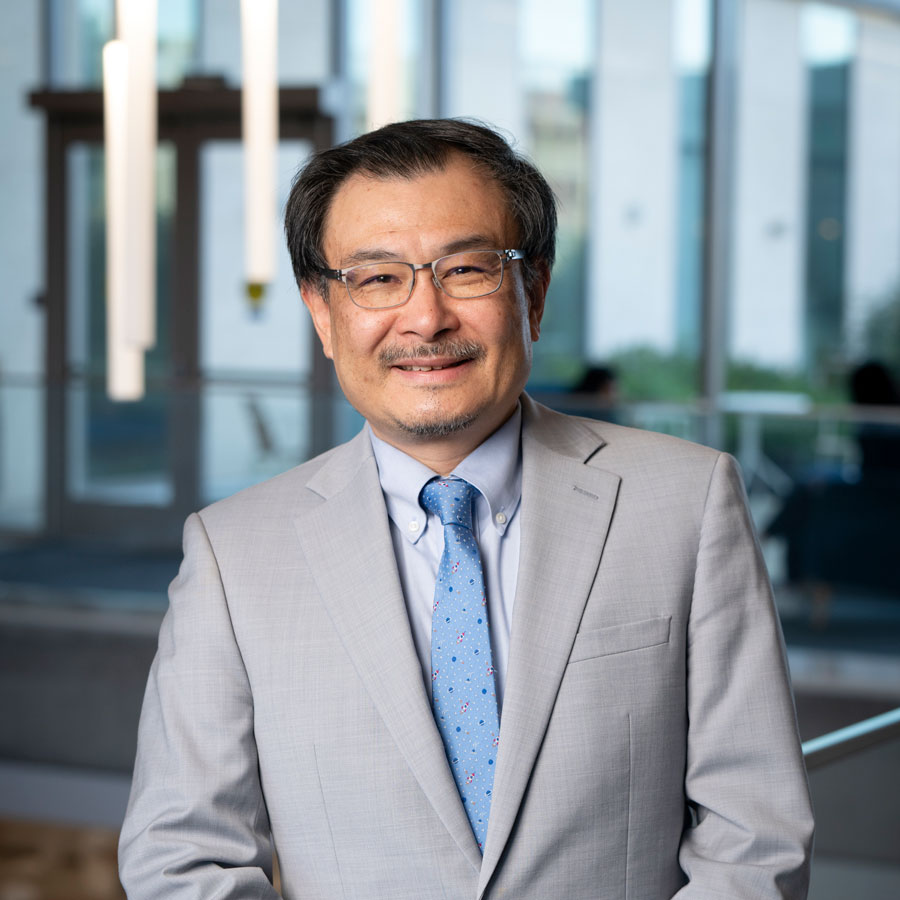
Simin Liu
Dr. Simin Liu is a physician-scientist and internationally recognized epidemiologist whose work has advanced research in cardiometabolic disease prevention, nutrition, and global health. He is Distinguished Professor and Chair of Epidemiology and Biostatistics and Professor of Medicine at the University of California, Irvine, where he also founded the Center for Global Cardiometabolic Health & Nutrition. Over three decades, Dr. Liu has made landmark contributions to chronic disease epidemiology, including pioneering studies on dietary glycemic load and inflammation, the discovery that sex hormone–binding globulin (SHBG) and its genetic determinants predict type 2 diabetes risk, and early systems genomics studies linking diabetes and ischemic heart disease. His research integrates nutrition, endocrinology, genomics, and molecular epidemiology to advance precision prevention strategies for cardiometabolic disorders and healthy aging. Dr. Liu has published over 500 scientific papers with more than 220,000 citations and has mentored more than 130 trainees worldwide.
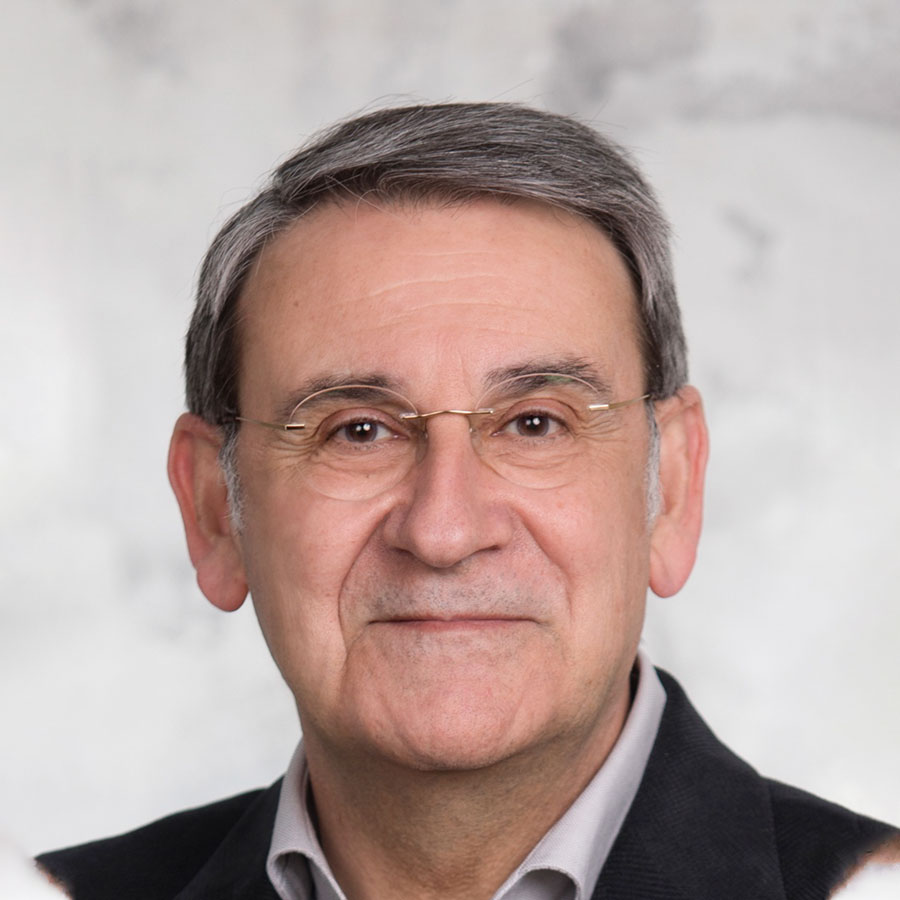
Didac Mauricio
Didac Mauricio, MD PhD, is Director of the Department of Endocrinology & Nutrition, Hospital de la Santa Creu i Sant Pau in Barcelona, and Professor with the Faculty of Medicine, University of Vic & Central University of Catalonia (UVic/UCC). He is currently serving as Scientific Director of the Spanish excellence diabetes research network CIBER of Diabetes and Associated Metabolic diseases (CIBERDEM), Instituto de Salud Carlos III, in Spain. He has published over 390 peer-reviewed articles. D. Mauricio has been principal investigator of multiple research projects funded by national and international agencies. He keeps a strong interest on current clinical issues in diabetes management, including randomised clinical trials and clinical research on diabetic complications, as well as in precision diabetes research. D. Mauricio serves as editorial board member of several scientific journals, and is currently a member of the Guideline Oversight Committee and the Global Council of the EASD.
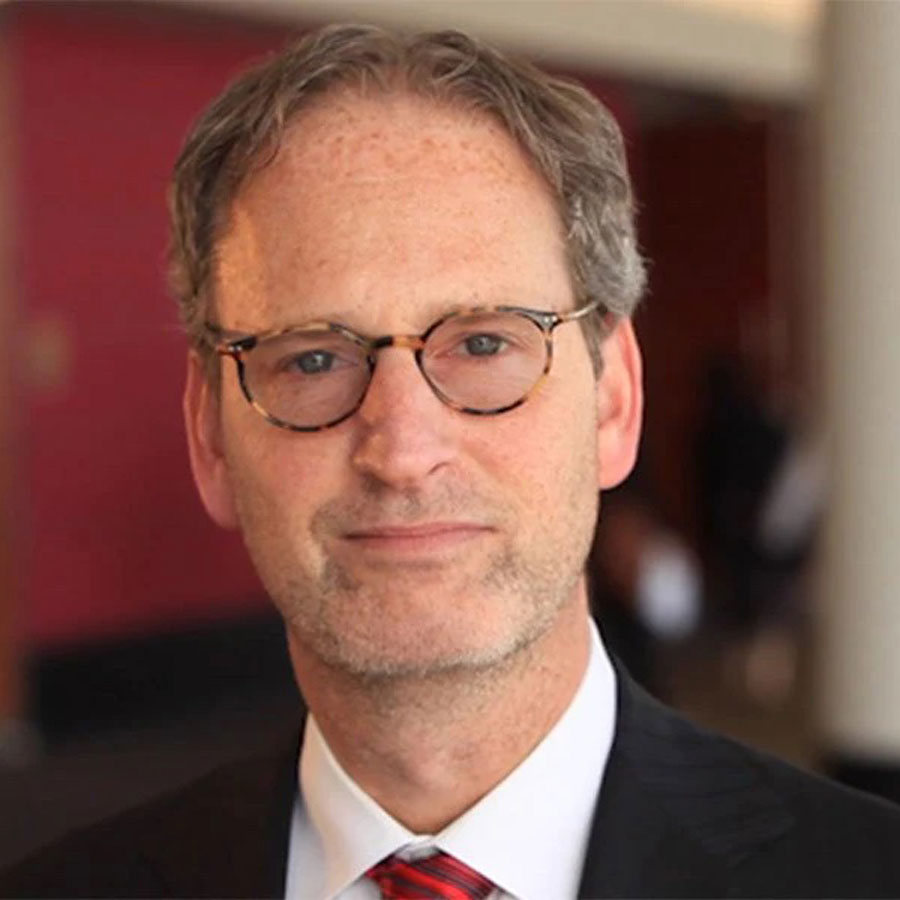
Jeffry I. Mechanick
Dr. Mechanick is Professor of Medicine, Medical Director of the Kravis Center for Cardiovascular Health at Mount Sinai Fuster Heart Hospital, and Director of Metabolic Support at Mount Sinai. Dr. Mechanick authored >490 publications with 12 books. He is the Past President of the American College of Endocrinology, American Association of Clinical Endocrinology (AACE), and American Board of Physician Nutrition Specialists. Dr. Mechanick was Editor-in-Chief Emeritus of the President’s Council on Fitness, Sports and Nutrition Science Board Elevate Health. Dr. Mechanick is Chair of the Board of Visitors for the College of Computer, Mathematics, and Natural Sciences at the University of Maryland and 2023 Honoris Causa Doctor at Carol Davila University in Bucharest, Romania. Dr. Mechanick received the 2026 AACE Outstanding National Clinician Award and is a Master of the American College of Endocrinology. Dr. Mechanick was on the ASPEN Board of Directors 2024-2026.
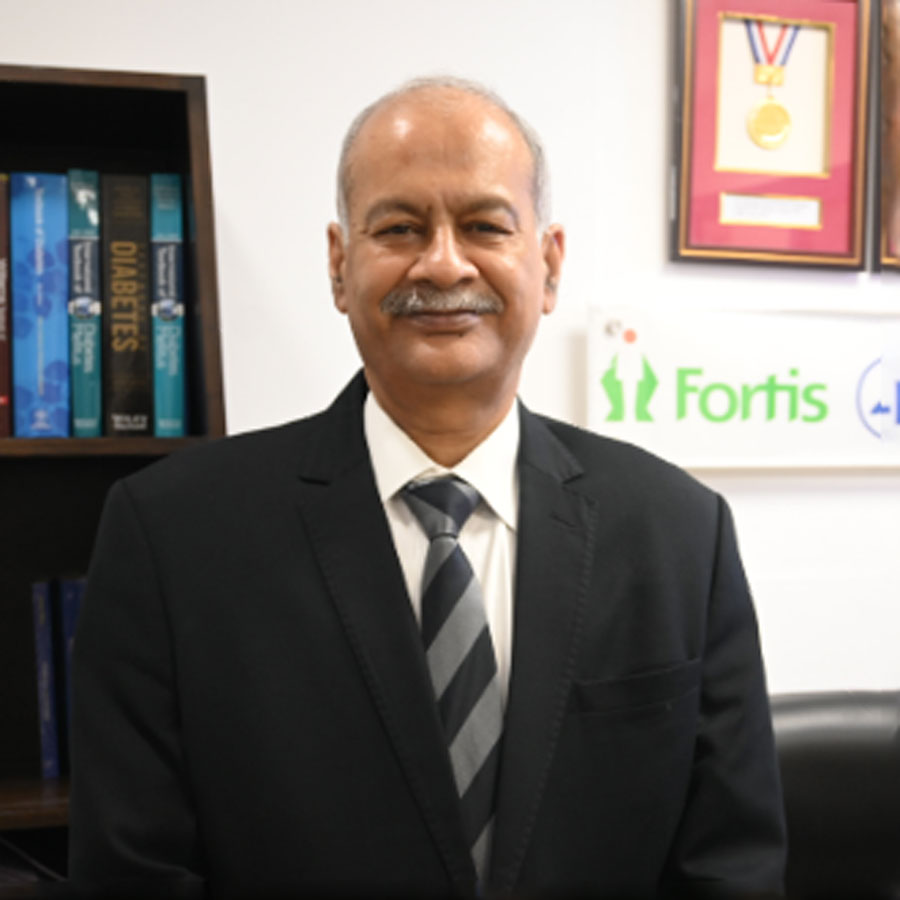
Anoop Misra
El Prof. (Dr.) Anoop Misra es Executive Chairman de Fortis C-DOC Hospital for Diabetes and Allied Sciences, director de la National Diabetes Obesity and Cholesterol Foundation (NDOC) y presidente de la Diabetes Foundation India. Anteriormente fue profesor de Medicina en el All India Institute of Medical Sciences (AIIMS) de Nueva Delhi y formó parte de la facultad de Nutrición Humana y Endocrinología de UT Southwestern Medical Center en Dallas, Texas. Cuenta con más de 416 publicaciones científicas indexadas en PubMed y ha sido reconocido por Stanford University como uno de los científicos más influyentes en diabetes de India, situándose entre el top 2% mundial durante los últimos cuatro años.
Especialista de referencia internacional en diabetes, obesidad y metabolismo, el Dr. Misra estableció la definición de obesidad para la población india y acumula más de 60.000 citas científicas, con un h-index de 121. Actualmente es Editor-in-Chief de la revista Diabetes & Metabolic Syndrome: Clinical Research & Reviews (Elsevier) y miembro de diversos comités científicos internacionales vinculados a The BMJ y The Lancet. Entre sus reconocimientos destacan el Padma Shree otorgado por el Presidente de India en 2007 y el Dr. B C Roy Award en 2006. También es autor de los libros “Diabetes with Delight” y “Smart Calories and Common Sense”.
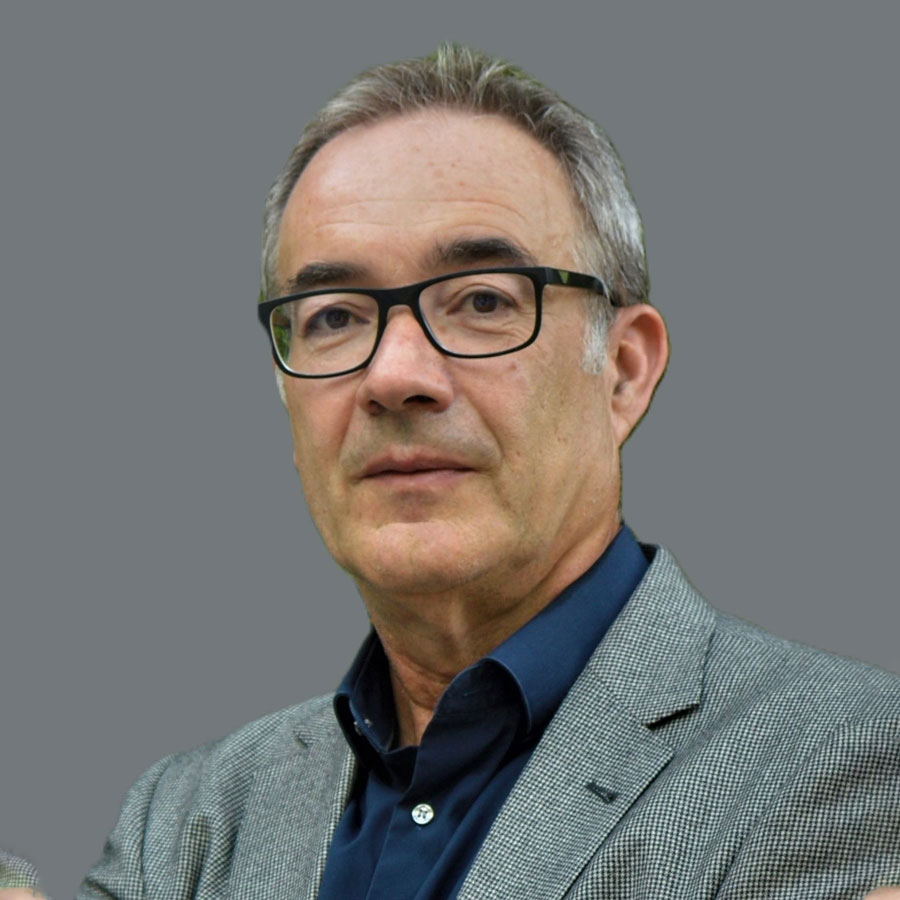
Angel Nadal
Angel Nadal, PhD, is a Professor of Physiology at Miguel Hernández University in Elche and a Group Leader at CIBERDEM. As a leading authority at the intersection of environmental health and metabolic diseases, his pioneering research was instrumental in establishing a link between endocrine-disrupting chemicals (EDCs) and diabetes mellitus. His work highlighted the detrimental impact of plastic pollutants on β-cell physiology and the development of insulin resistance in metabolic tissues. His current research focuses on developing novel approach methodologies (NAM) for EDC screening and on investigating how environmental factors alter glucose metabolism during pregnancy, including long-term implications for maternal health. He is committed to translating scientific findings into regulatory action, and collaborates closely with the Endocrine Society and the European Society of Endocrinology.
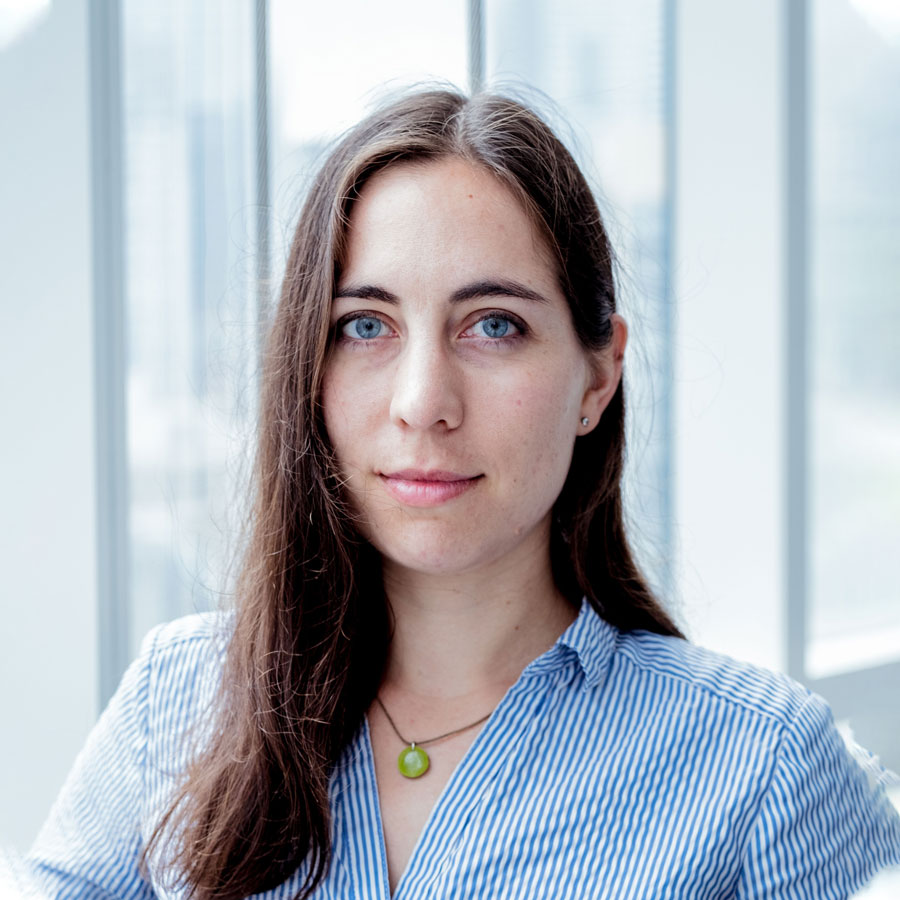
Stephanie Nishi
Stephanie Nishi is a Registered Dietitian, Researcher, and Educator. She is an Assistant Professor with the School of Nutrition at Toronto Metropolitan University in Canada. She was a CIHR Postdoctoral Fellow with the Unitat de Nutrició, Departament de Bioquímica i Biotecnologia at the Universitat Rovira i Virgili in Spain, following completion of a PhD with the Department of Nutritional Sciences at the University of Toronto in Canada. For over a decade, Stephanie has been involved in chronic disease prevention from a nutritional perspective (including cardiovascular, type 2 diabetes, and cognitive health), as well as advancing evidence-based practice and knowledge dissemination with the goal of informing public health policy and nutrition guidelines.

Ana Rodriguez-Mateos
Professor Ana Rodriguez-Mateos is Professor of Human Nutrition at King’s College London. Her research investigates the health effects of plant foods and phytochemicals, with a focus on the bioavailability, metabolism and cardiovascular benefits of dietary (poly)phenols. Her recent work explores interactions between phytochemicals and the gut microbiome, alongside the development of metabolomic biomarkers of food intake to improve dietary assessment. She has extensive expertise in the development and validation of analytical methods using LC/GC-MS for the analysis of foods and biological samples, and leads randomised controlled trials assessing cardiovascular outcomes. She is a Registered Nutritionist, Fellow of the Royal Society of Chemistry and Fellow of the UK Higher Education Academy. She serves as Programme Director for the BSc in Nutritional Sciences, Associate Editor of Food & Function, and co-Chair of the UK Nutrition Society Special Interest Group on Phytochemicals and Health.
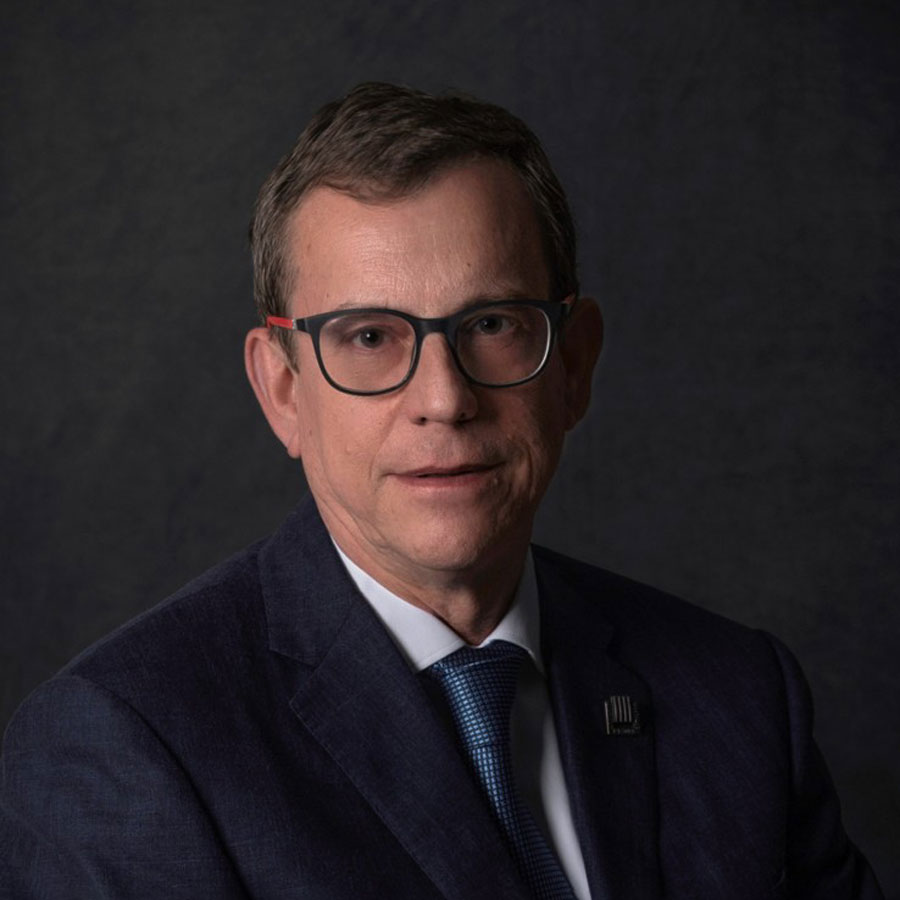
Jordi Salas-Salvadó
Distinguished Professor of Nutrition and Director of the Human Nutrition Unit of the University Rovira i Virgili and ICREA Academia Investigator, CIBERobn Principal Investigator and Coordinator of its Nutrition Programme. He is currently Director of the Catalan Nutrition Centre, President of the World Forum for Nutrition Research and Dissemination, Vice-Chairperson of the Diabetes and Nutrition Study Group, among others.
Prof Salas’ research has focused on human clinical trials to evaluate the effects of foods, dietary compounds and dietary patterns on obesity, diabetes, metabolic syndrome and cardiovascular disease. Since 2005, he has been one of the principal investigators of the PREDIMED study (n=7447) and is currently the coordinator and chairman of the steering committee of the PREDIMED-Plus study (n=6874), two large clinical trials for the primary prevention of cardiovascular disease and mortality. PREDIMED-Plus is a multi-collaborative project involving 30 research groups and has received national, European, Canadian and US grants.
He has authored >970 scientific articles indexed in PubMed or SCI with >61000 citations, and an h-index of 119 according to SCI. Google Scholar reports an h-index of 153 and >114000 citations. Has published 14 books and supervised 42 PhD students.
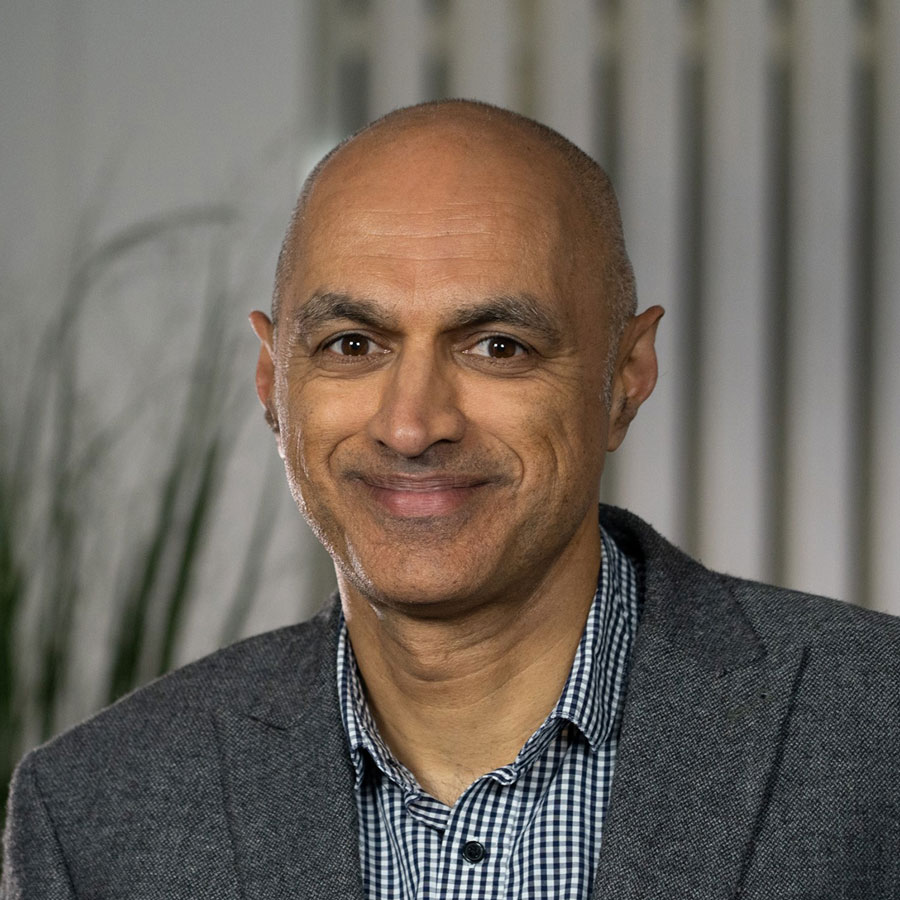
Naveed Sattar
Naveed Sattar is a clinically active academic whose work has advanced understanding and management of diabetes, cardiovascular disease, and obesity. His research spans major epidemiological studies examining the contributions of lipids, glycaemia, liver function markers, and adiposity to disease risk. He has played key roles in lifestyle intervention trials such as DIRECT and STANDBY, as well as pharmacological outcome trials including AMPLITUDE O and SURPASS CVOT.
His current research increasingly focuses on intentional weight loss interventions and on clarifying how obesity contributes to the development or progression of multiple adverse health outcomes, including diabetes, liver disease, cardiovascular conditions, and autoimmune diseases such as psoriatic arthritis. He serves as an Associate Editor for Diabetes Care, has received numerous national and international awards recognising his scientific contributions, and has also contributed to multiple national and international clinical guidelines. He is currently Chair of the Obesity Healthcare Goals programme for the UK government.
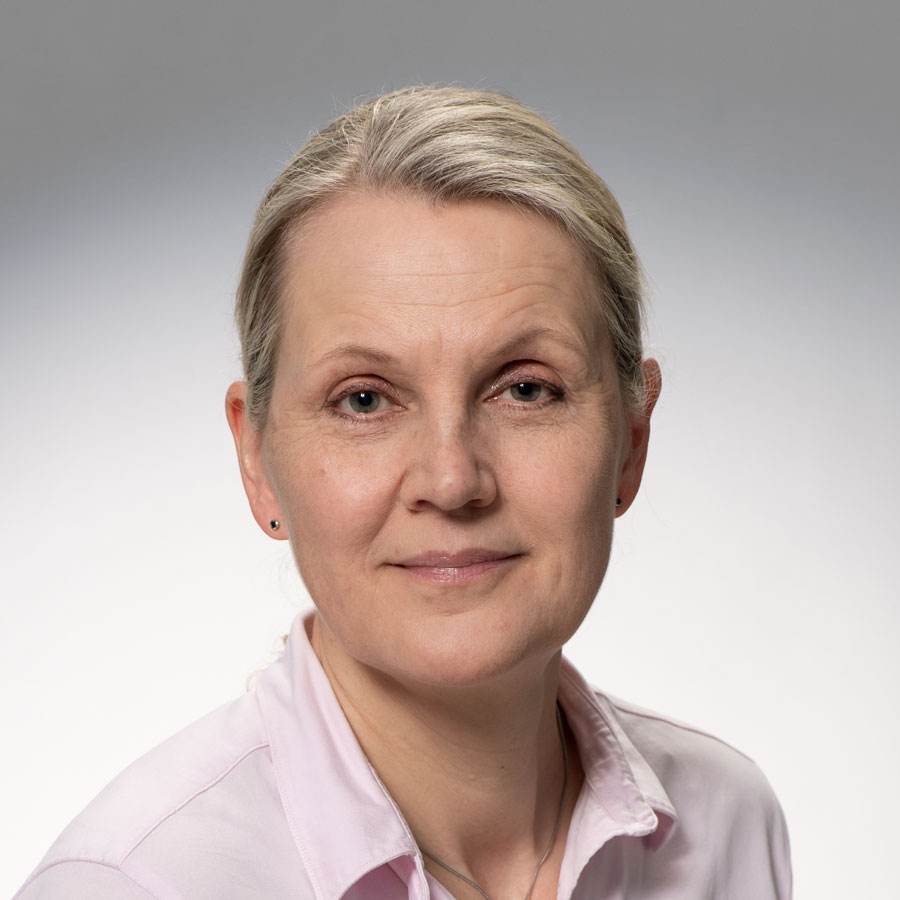
Ursula Schwab
Ursula Schwab, PhD, is a professor (nutrition therapy) at the University of Eastern Finland and leads the curriculum of nutrition. She works also as a clinical nutritionist at the Kuopio University Hospital, North Savo Wellbeing County. Her expertise is in research are randomized controlled dietary interventions regarding the effects of diet, e.g. the Healthy Nordic Diet and the quality of dietary fats and carbohydrates, on lipid and glucose metabolism, low grade inflammation, risk of type 2 diabetes and liver adiposity including nutrigenetics, nutrigenomics, lipidomics and metabolomics approaches. She has been involved in updating the last two editions of Nordic and Finnish Nutrition Recommendations, the European nutrition guidelines for diabetes, and several national good practice guidelines, e. g. on dyslipidemia, diabetes and non-alcoholic fatty liver disease.
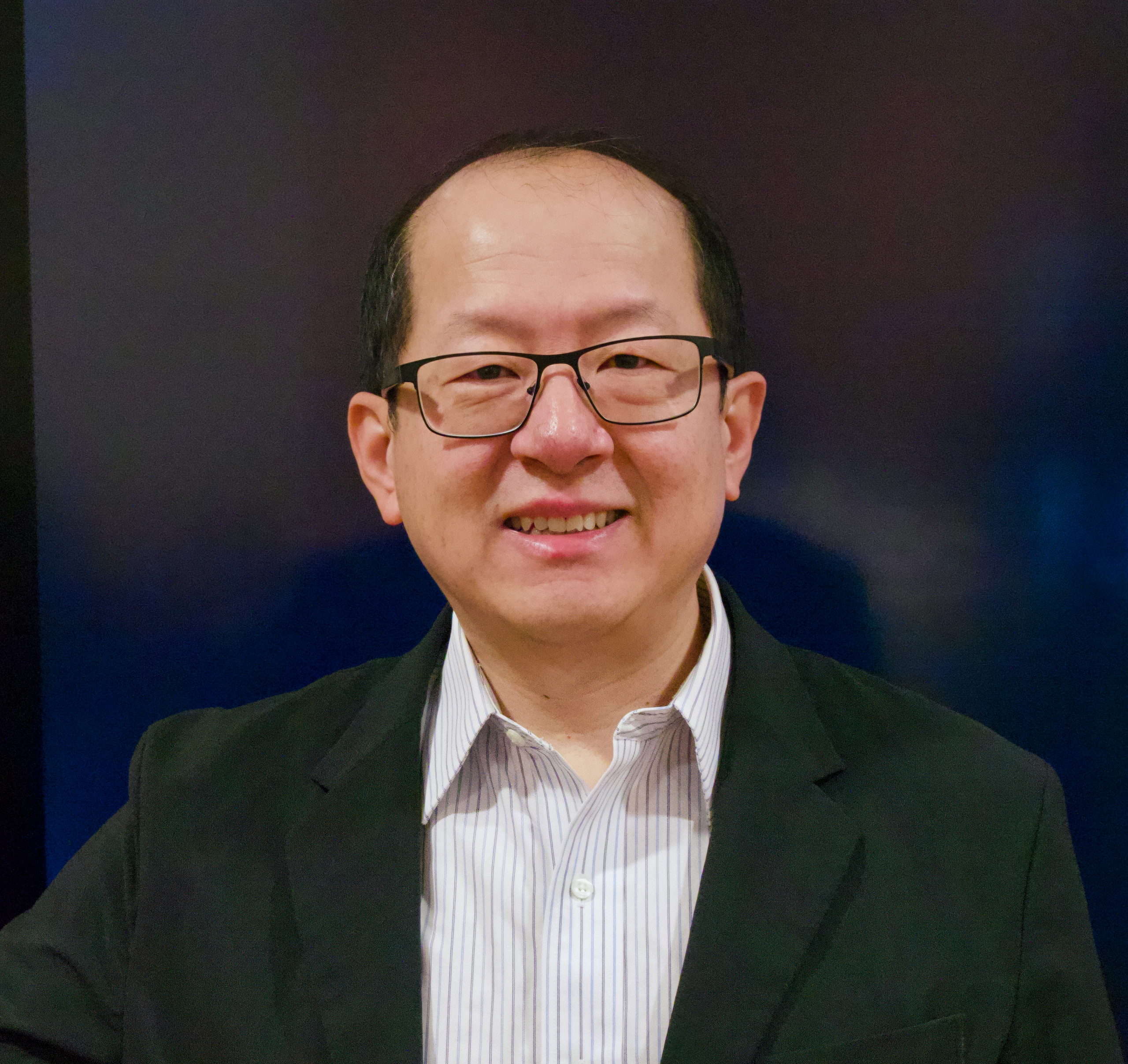
Qi Sun
Dr. Qi Sun is Associate Professor at Harvard Medical School and Harvard School of Public Health. Dr. Sun’s primary research interests are to examine biomedical risk factors, particularly dietary biomarkers, in relation to type 2 diabetes, obesity, and cardiovascular disease through epidemiological investigations. His primary approach is to, through integrating the state-of-the-art of omics technologies and chronic disease epidemiologic approaches, elucidate novel exposure-disease associations and underlying mechanisms relevant to humans. Overall, his innovative research on multiple important topics has enhanced our understanding of the biological mechanisms underlying nutrition and metabolic health and contributed to the US dietary guidelines for chronic disease prevention. His research thus far has led to more than 350 peer-reviewed publications. Dr. Sun is currently leading a few NIH-funded projects that focus on food biomarker discovery and validation, microbial predictors of diabetes, and environmental pollutants in relation to weight change or cardiovascular disease in human populations.
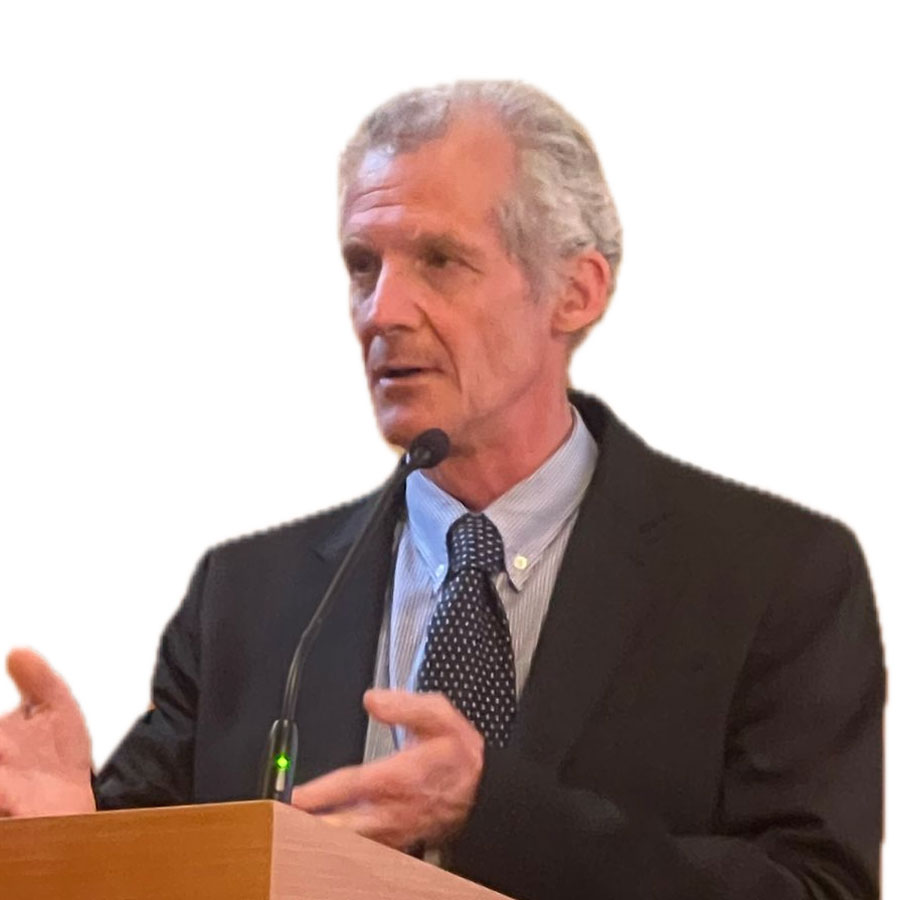
Francesco Visioli
Professor Francesco Visioli is a pharmacologist who currently lectures on Human Nutrition at the School of Medicine, University of Padova (Italy). His research encompasses in vitro bioactivity analyses—including test tubes and cell cultures—as well as clinical trials involving human subjects. Over the years, Dr. Visioli has coordinated various interdisciplinary studies with international collaborators, contributing to significant advancements in nutrition science. Dr. Visioli has authored over 450 scientific papers and book chapters, and was honored with the 2023 FENS Award, which represents the most prestigious European distinction for nutrition and dietetics. He is frequently invited to speak at conferences and academic events worldwide, reflecting his influence in the field. Since 1993, he has investigated natural compounds within a pharma-nutritional context, notably identifying the biological activities of minor constituents found in olive oil, which has paved the way for further innovative research into Mediterranean diet benefits.

Changzheng Yuan
Changzheng Yuan is currently a research professor at the School of Public Health of Zhejiang University School of Medicine, and an adjunct Assistant Professor at Harvard T.H. Chan School of Public Health. She has been engaged in research on nutritional epidemiology and has conducted a series of population-based empirical studies in the areas of dietary measurement, nutrition and health. She has published a series of articles in prestigious international journals such as Nature Aging, Nature Food, American Journal of Epidemiology, American Journal of Clinical Nutrition, Alzheimer’s & Dementia, Neurology. Her current research focuses on population-based studies of nutrition and cognitive decline and sustainable food system transformation.
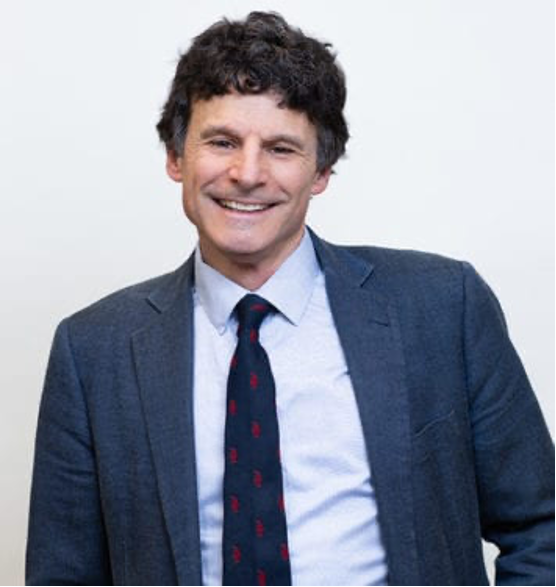
Thomas Wolever
Dr. Wolever obtained a medical degree from Oxford University in 1980, a PhD in Nutritional Sciences from University of Toronto in 1986, a Doctorate in Medicine from Oxford in 1993, an Honorary Doctorate from University of Ottawa in 2018, and awards from ASN in 2020 and CNS in 2024. He is Professor Emeritus, Department of Nutritional Sciences, University of Toronto, and Principal Scientist & Medical Director at INQUIS Clinical Research.
Dr. Wolever’s research centres on the effects of dietary carbohydrates on human physiology and metabolism. He has written or co-authored over 400 papers in peer-reviewed scientific journals. In 1997, he founded Glycaemic Index Testing, Inc. to provide confidential GI testing services to industry. To cope with increased demand and provide a wider range of clinical research services, INQUIS (formerly GI Labs) was formed in 2004.
Dr. Wolever is married with 3 children and enjoys cycling, orienteering and playing the recorder.